

More Ocean Creatures
- By Margaret Hetherwick | Examiner Staff Writer
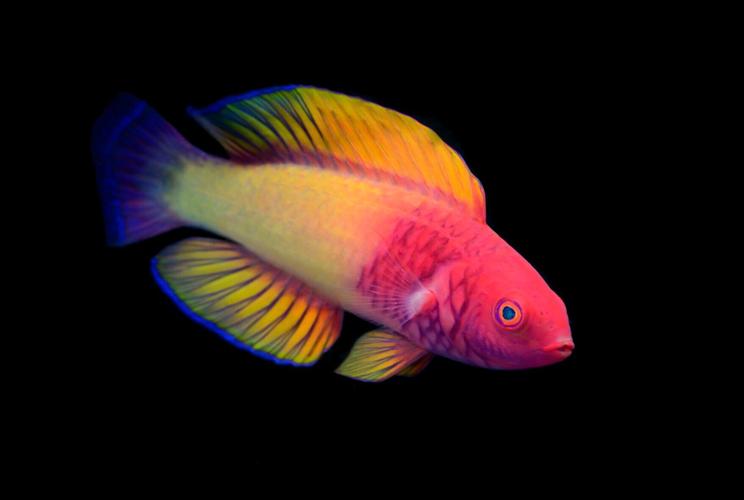
Cirrhilabrus finifenmaa, a small fish found deep in the ocean near the Maldives. Part of its scientific name, “finifenmaa,” means “rose” — one of the first species to be named in the local Dhivehi language. The name is a nod to both its pink hues and the island nation’s national flower. The fairy wrasse is also the first-ever species to be formally described by a Maldivian researcher, Academy curator of ichthyology Luiz Rocha.
- Courtesy of the Academy of Sciences
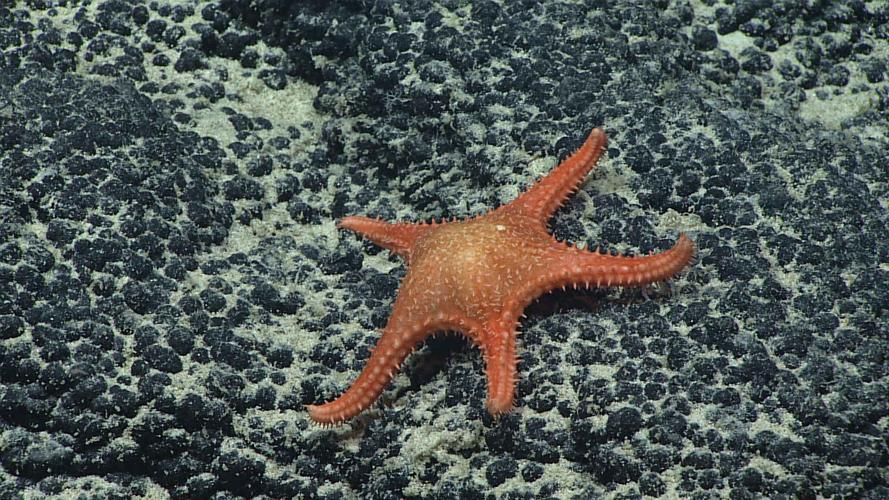
Evoplosoma nuku, a new type of sea star described in 2022.
It gets its name from the Hawaiian word for beak, "nuku," as a nod to the jaw-shaped structures on the animal’s surface, which may be used for defense and/or predation. This spiky specimen was seen at 1,603 meters (1 mile) in depth on "Pierpoint" Seamount in the Johnston Atoll Unit of the Pacific Remote Islands Marine National Monument.
- By Margaret Hetherwick | Examiner Staff Writer
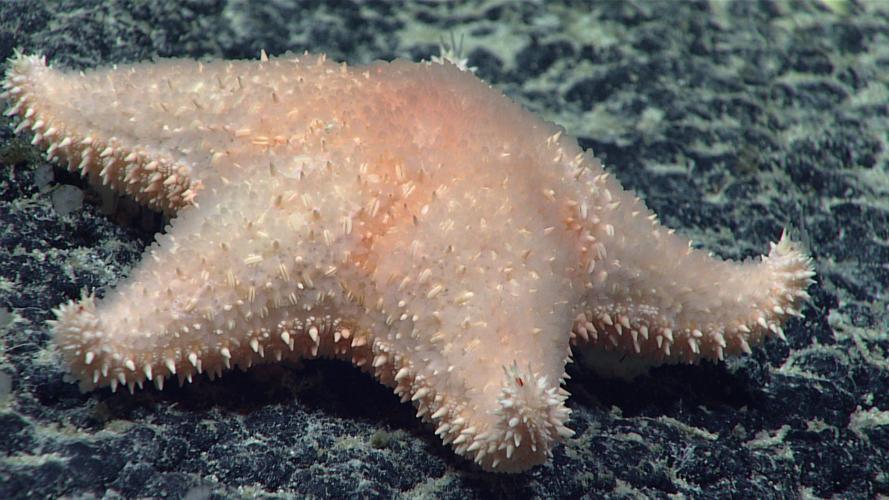
Hippasteria capstonei, a type of sea star found in 2022.
It gets its name from NOAA Ocean Exploration’s Campaign to Address Pacific monument Science, Technology, and Ocean NEeds (CAPSTONE) on NOAA Ship Okeanos Explorer, the campaign during which this species was observed and collected. This sea star was seen on South Johnston Seamount at a depth of 1,982 meters (1.2 miles) in the Johnston Atoll Unit of the Pacific Remote Islands Marine National Monument.
- Courtesy of the Academy of Sciences
More like this...
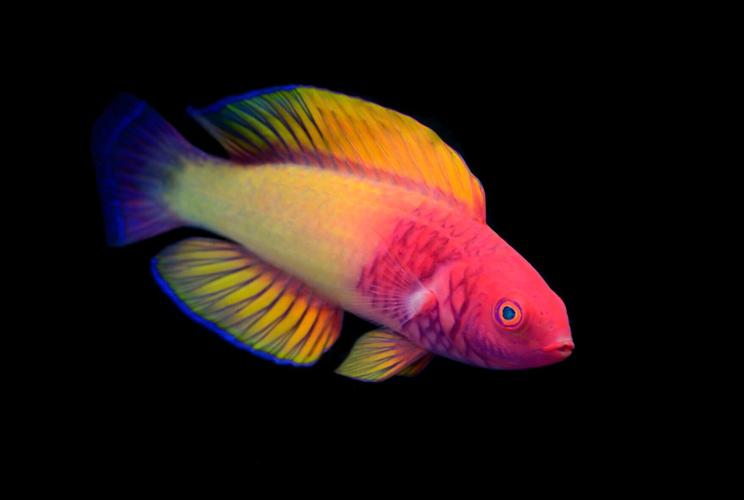
Cirrhilabrus finifenmaa, a small fish found deep in the ocean near the Maldives. Part of its scientific name, “finifenmaa,” means “rose” — one of the first species to be named in the local Dhivehi language. The name is a nod to both its pink hues and the island nation’s national flower. The fairy wrasse is also the first-ever species to be formally described by a Maldivian researcher, Academy curator of ichthyology Luiz Rocha.
- Courtesy of the Academy of Sciences
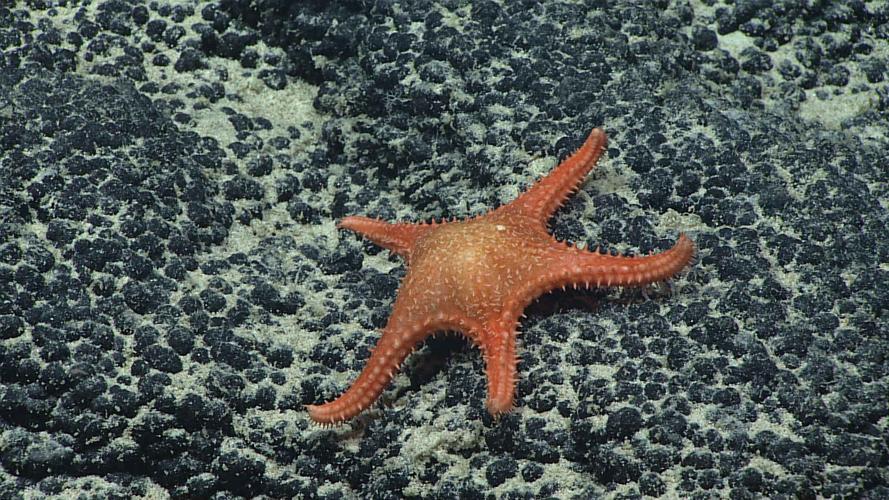
Evoplosoma nuku, a new type of sea star described in 2022.
It gets its name from the Hawaiian word for beak, "nuku," as a nod to the jaw-shaped structures on the animal’s surface, which may be used for defense and/or predation. This spiky specimen was seen at 1,603 meters (1 mile) in depth on "Pierpoint" Seamount in the Johnston Atoll Unit of the Pacific Remote Islands Marine National Monument.
- By Margaret Hetherwick | Examiner Staff Writer
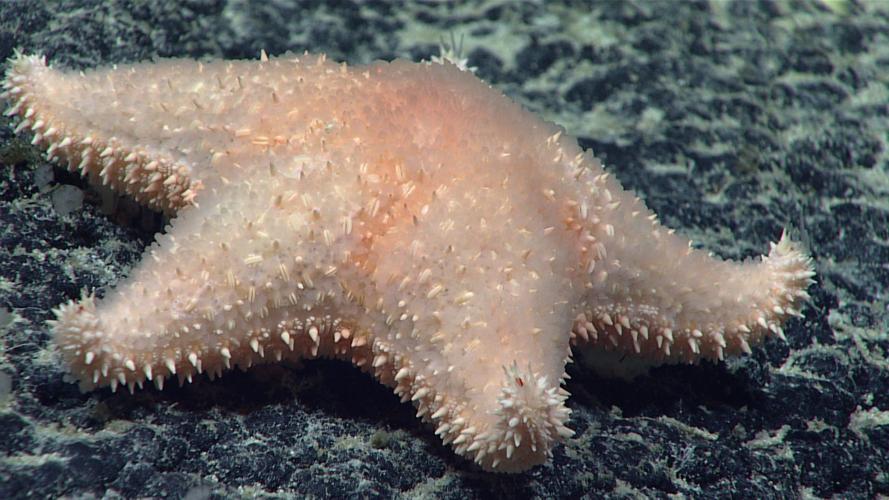
Hippasteria capstonei, a type of sea star found in 2022.
It gets its name from NOAA Ocean Exploration’s Campaign to Address Pacific monument Science, Technology, and Ocean NEeds (CAPSTONE) on NOAA Ship Okeanos Explorer, the campaign during which this species was observed and collected. This sea star was seen on South Johnston Seamount at a depth of 1,982 meters (1.2 miles) in the Johnston Atoll Unit of the Pacific Remote Islands Marine National Monument.
- Courtesy of the Academy of Sciences
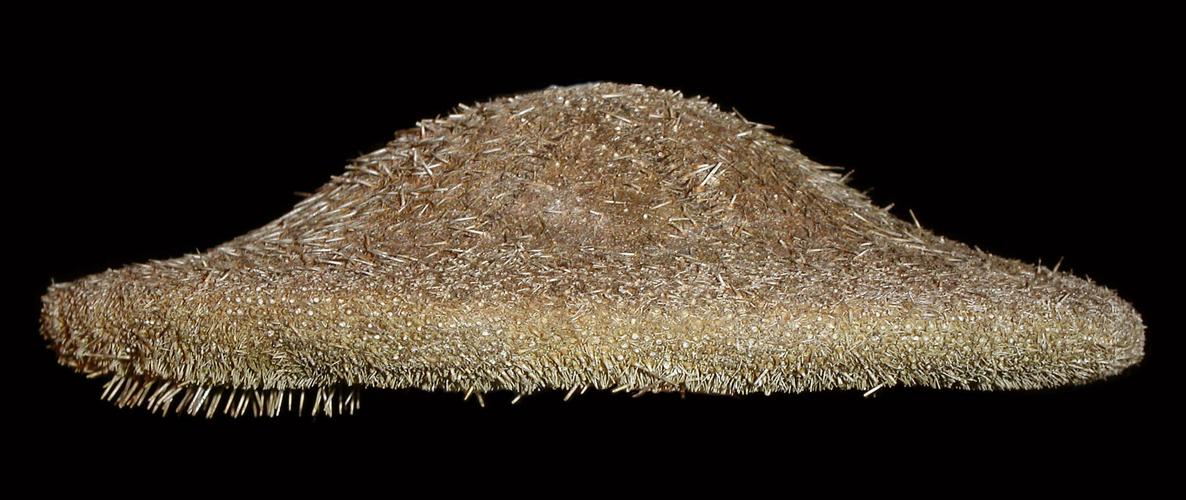
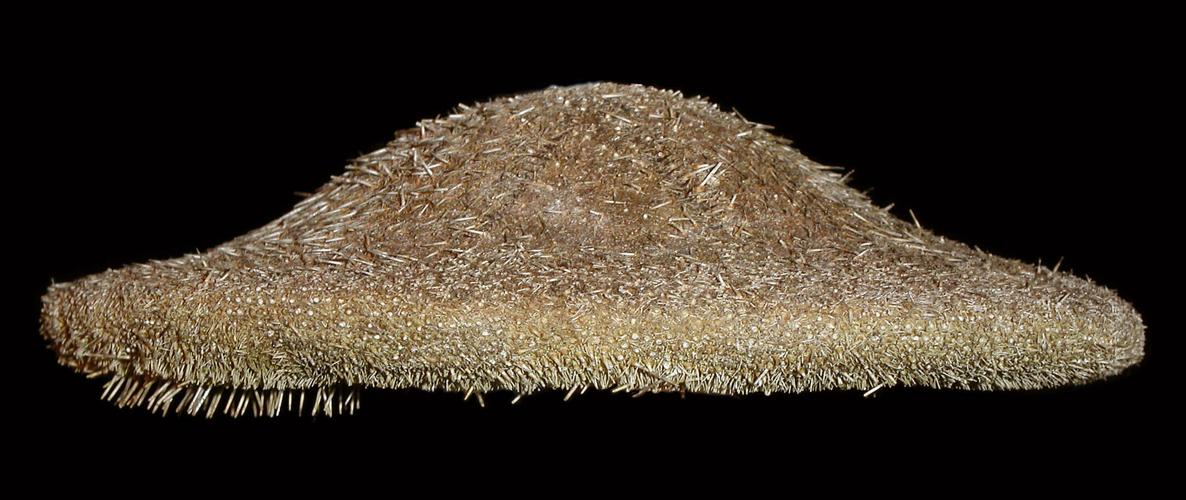
Clypeaster phil, a new kind of sea biscuit. Yes, it's alive.
- Courtesy of the Academy of Sciences
More like this...
Tags
As featured on

Three of the new species were found in California, and two were discovered in the Bay Area — by high school students on iNaturalist.
Featured


For its 15th anniversary, the festival will have 96 restaurants slinging over 700 menu items over the course of …


The San Francisco author's new book is an ode to beauty and wonder


No library card will be required to listen to the artists that make up the Bay Area's local music scene this fall
For its 15th anniversary, the festival will have 96 restaurants slinging over 700 menu items over the course of …
The San Francisco author's new book is an ode to beauty and wonder
No library card will be required to listen to the artists that make up the Bay Area's local music scene this fall