

Lard wasn't always considered artery-clogging gunk or the rebel chef's fat of choice. A century ago, rendered pig fat was just what American cooks used — for frying, cakes, biscuits, and hundreds of other dishes. Yet by the time most of us were born, lard was off the table. Poisonous, even. Over the weekend, NPR's Planet Money program asked: Who killed lard? And the answer they found was Procter & Gamble.
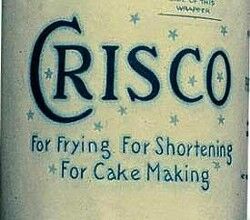
In the early part of the 20th century, most of the industrially produced lard in America came from slaughterhouses. (Planet Money calls lard a byproduct of the pork industry, but up until recently, the fat of an animal was just as valuable, culinarily speaking, as the meat.) But in 1907, a soap- and candle-making company named Procter & Gamble that had been dealt a blow by the advent of the electric light was struggling with the surplus of cottonseed oil — considered inedible — that they now had. A German chemist introduced the company to the process of hydrogenating oils to make them solid, and within a couple of years, Crisco, or partially hydrogenated cottonseed oil, was launched.